THE ART OF SHOWING UP.
Something interesting is happening offline.
Brand events are up 54% globally since the pre-pandemic era, with attendance rising 65%. At the same time, research cited by Launchmetrics suggests we’re consuming around 13 hours of media every day, often across several screens at once. More content. More competition. Less undivided attention.
No wonder brands are rediscovering the power of being there, for real.
Physical experiences offer something the feed can’t: presence. A room shared with other people. Something you can touch, taste or make. A story you become part of rather than simply scroll past.
At Mad River, we see this Event Renaissance from the creative end. Working with brands and PR agencies, we shape activations from the start, turning campaign platforms into physical experiences people can actually step into. Our role is creative: designing what people see, feel, do and remember.
What does it look like? How does it feel? What catches the eye? What do people do? And what will they remember afterwards?
That’s the art of showing up.
Here are five principles we use to bring brand ideas to life.
Source: Launchmetrics, The Event Renaissance, 2026.
SOME THINGS HAVE TO BE EXPERIENCED
The atmosphere. The unexpected conversation. The smell of coffee. The reaction of the person next to you. Real experiences are embodied, social and gloriously difficult to compress into a screen.
That gives physical brand moments new value. Not as an antidote to digital, but as something digital can amplify without replacing.
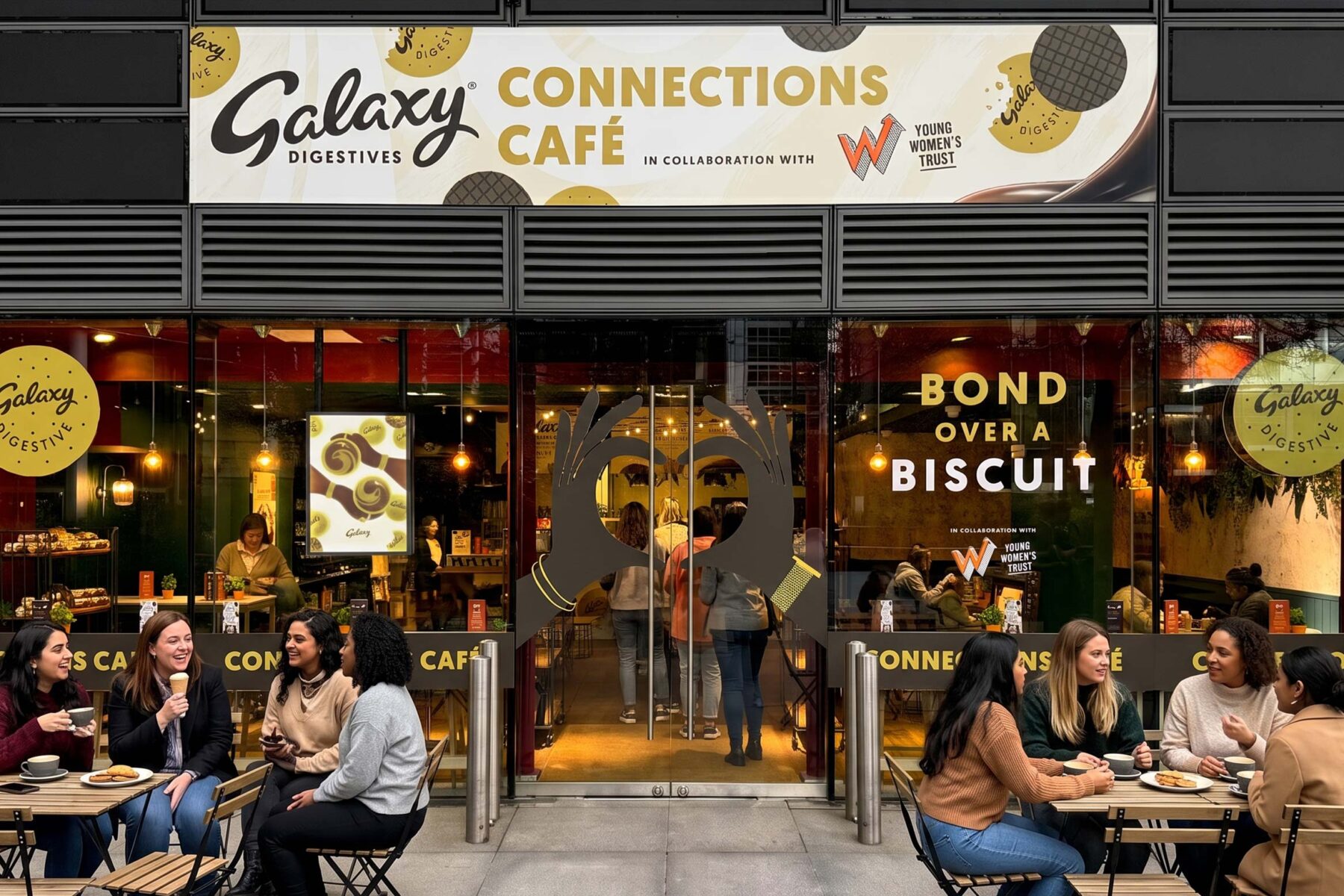
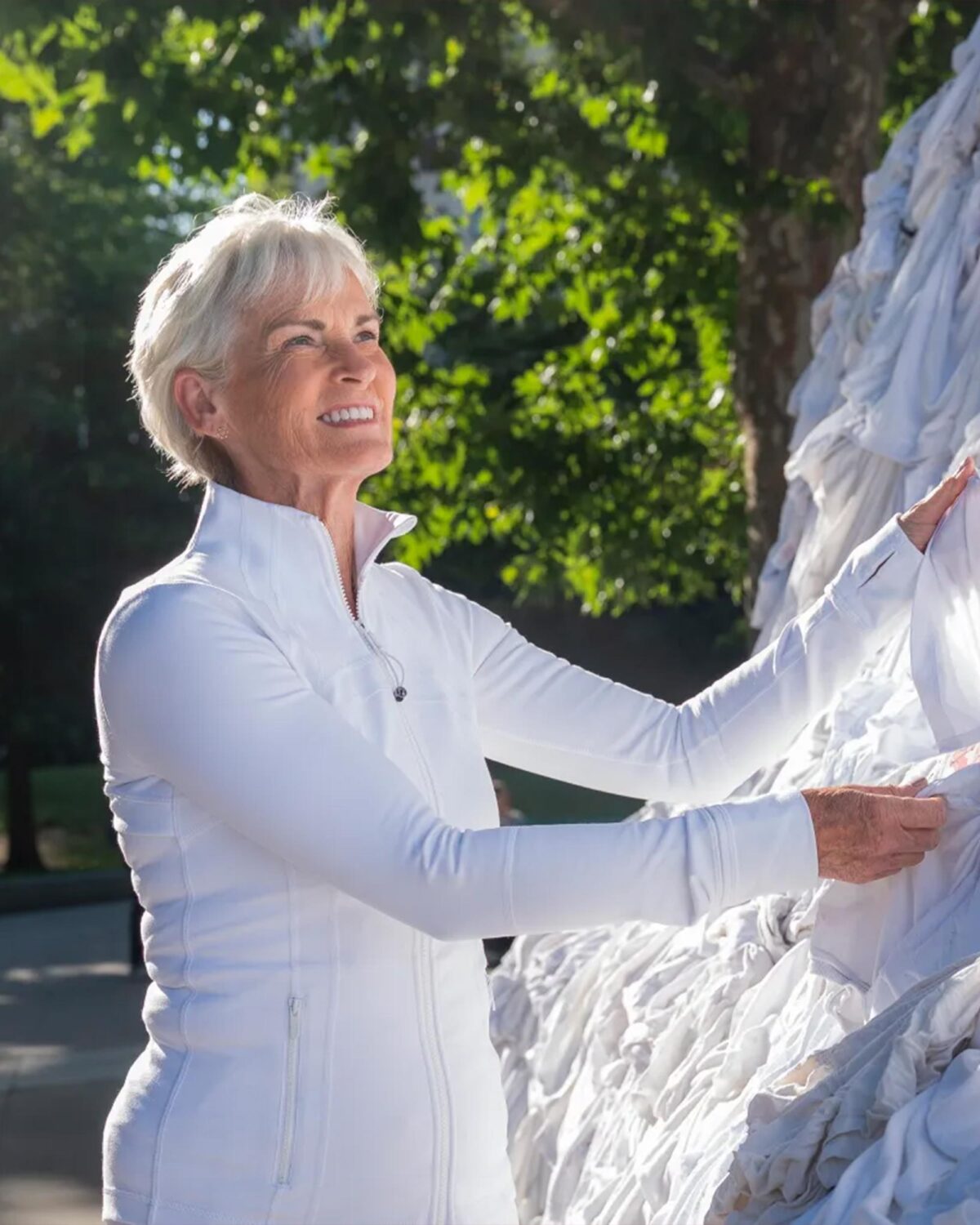
For the Galaxy Connections Café, we designed and curated a warm, welcoming space where women could meet, bond and build their community and confidence. The brand became a place, not just a message.
Biscuit-inspired drinks and treats, shared tables and playful interactions gave people reasons to linger, talk and connect.
People didn’t just see the campaign. They experienced it together.
Why this matters now
As content becomes easier to make, lived experience becomes more valuable. Sometimes the most powerful thing a brand can do is actually be there.
MAKE THE MESSAGE TANGIBLE
A statistic can be important and still feel abstract. Physical design gives it scale, shape and weight. It turns information into something people can instantly understand.
Make the idea visible. Make it felt.
Dr Beckmann is a perfect example.
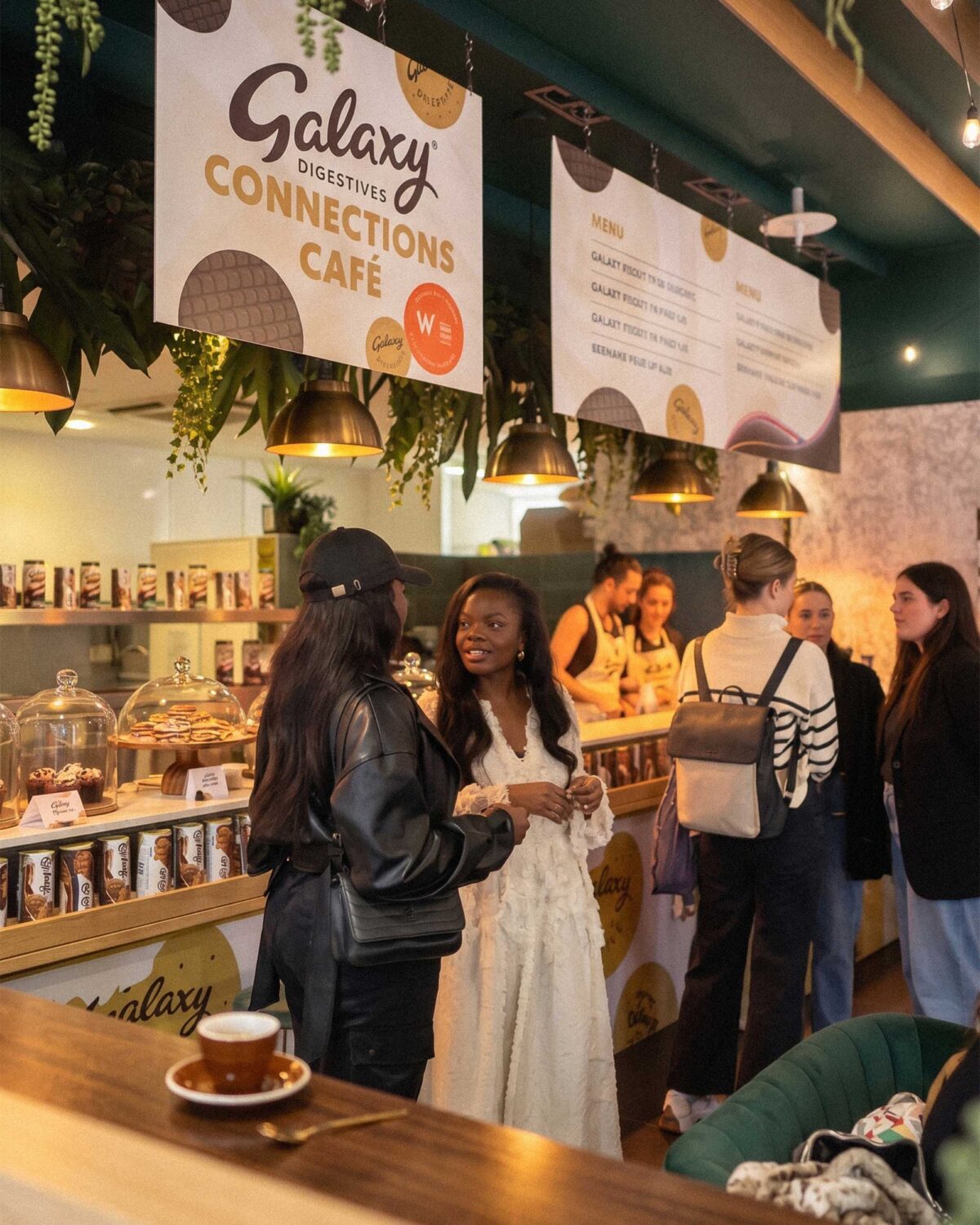
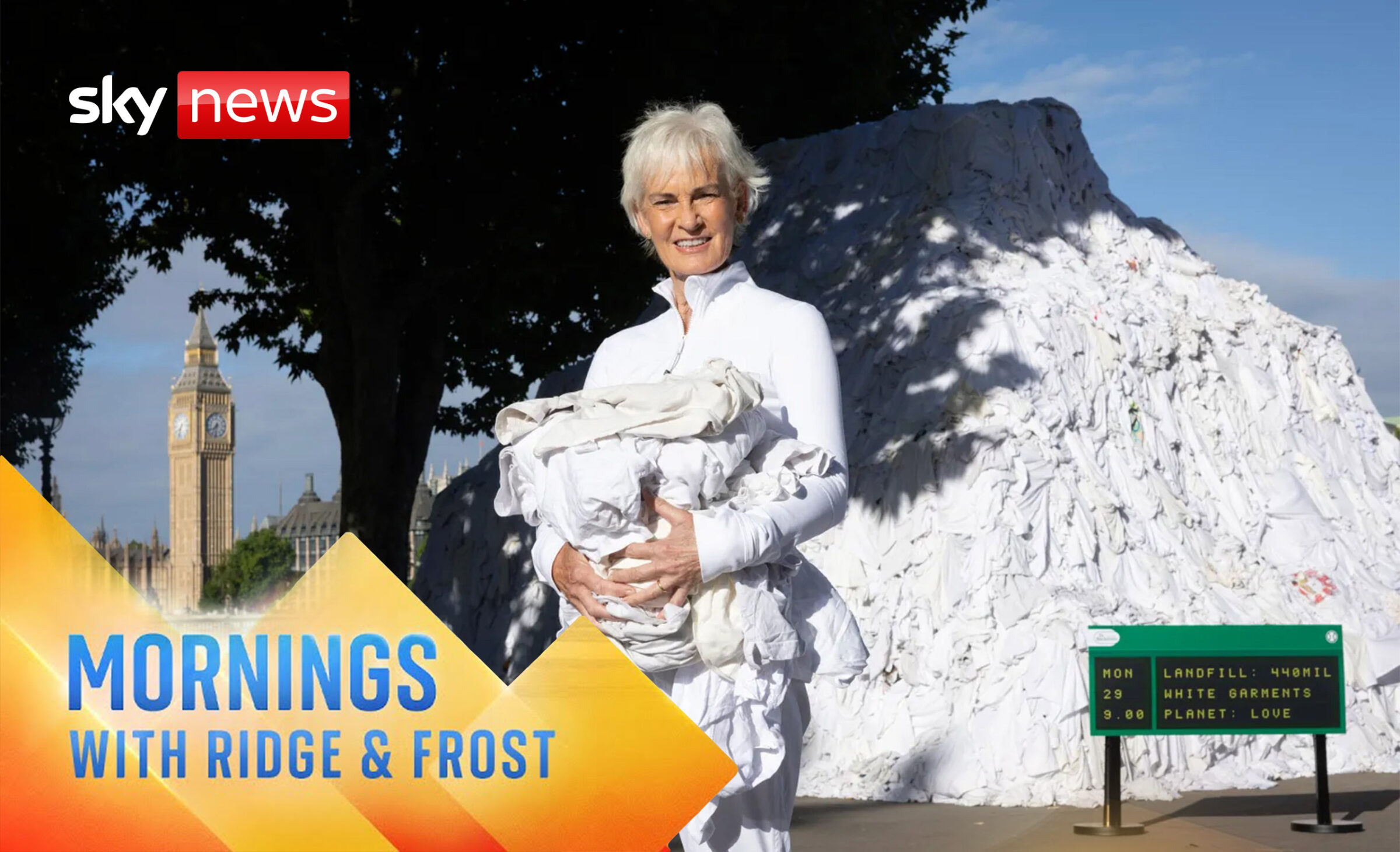
Research revealed that Brits throw away around 440 million white garments every year. Enough to create a pile of discarded whites the size of the famous Murray Mound every single day. So, as Wimbledon put tennis whites centre court, and with Judy Murray fronting the campaign, that comparison was given physical form.
Our job was to make it real.
We designed and built a five-metre-high mound from thousands of discarded white garments on London’s South Bank. A statistic became something you could walk past, stand beside and photograph.
And because the physical idea was so instantly understandable, it travelled. The campaign secured national coverage including Sky News and TalkSport, alongside national press, influencer content, social and OOH.
An invisible problem became impossible to ignore.

DESIGN THE BRAND THROUGH THE SPACE
Experiential should never feel like a generic event with a logo applied at the end.
The strongest spaces express the brand through every decision.
Identity. Materials. Typography. Signage. Staff. Sound. Product. Interaction. Every touchpoint contributes to the same story.
The test is simple: could another brand swap its logo in? If the answer is yes, the experience hasn’t gone far enough.
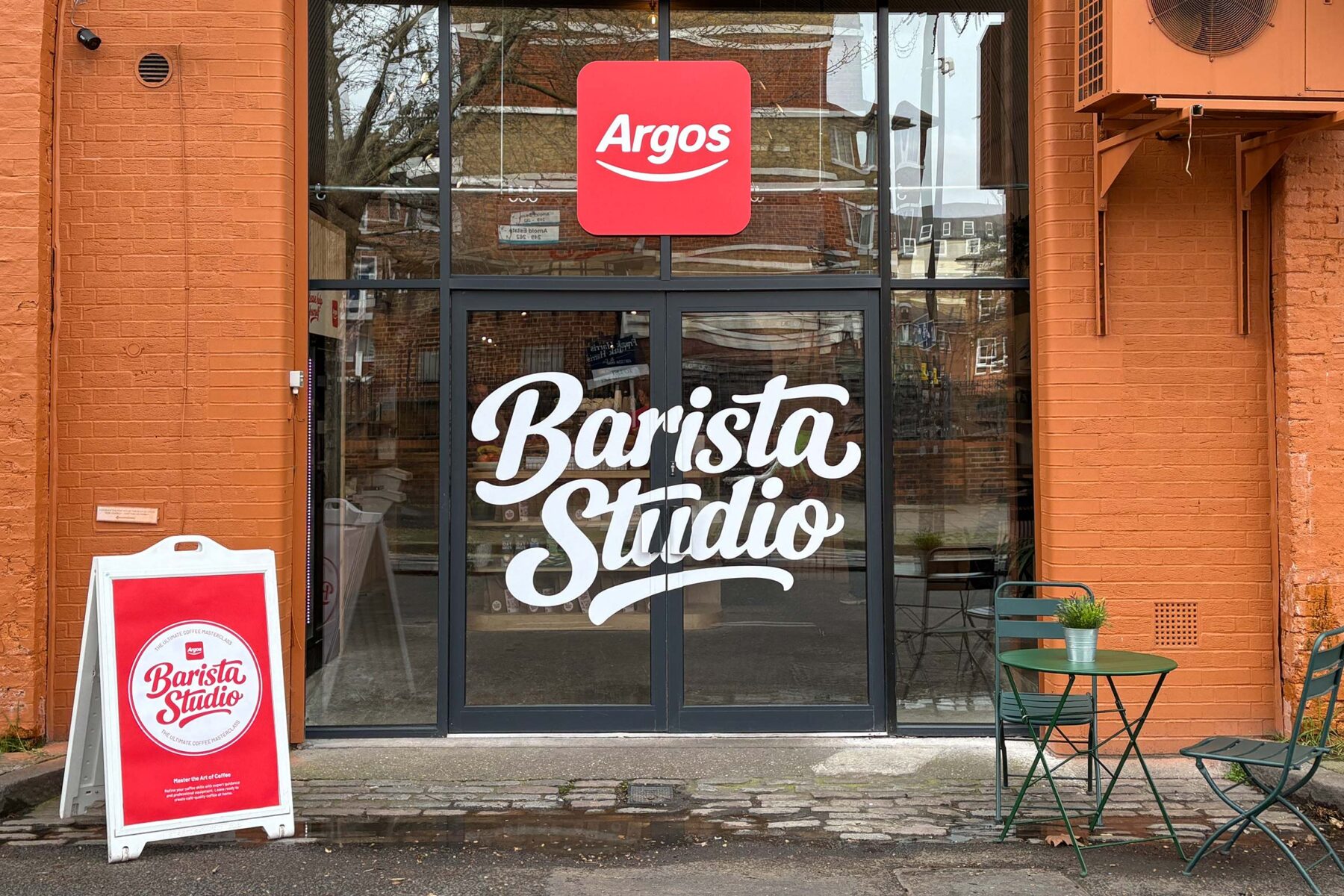
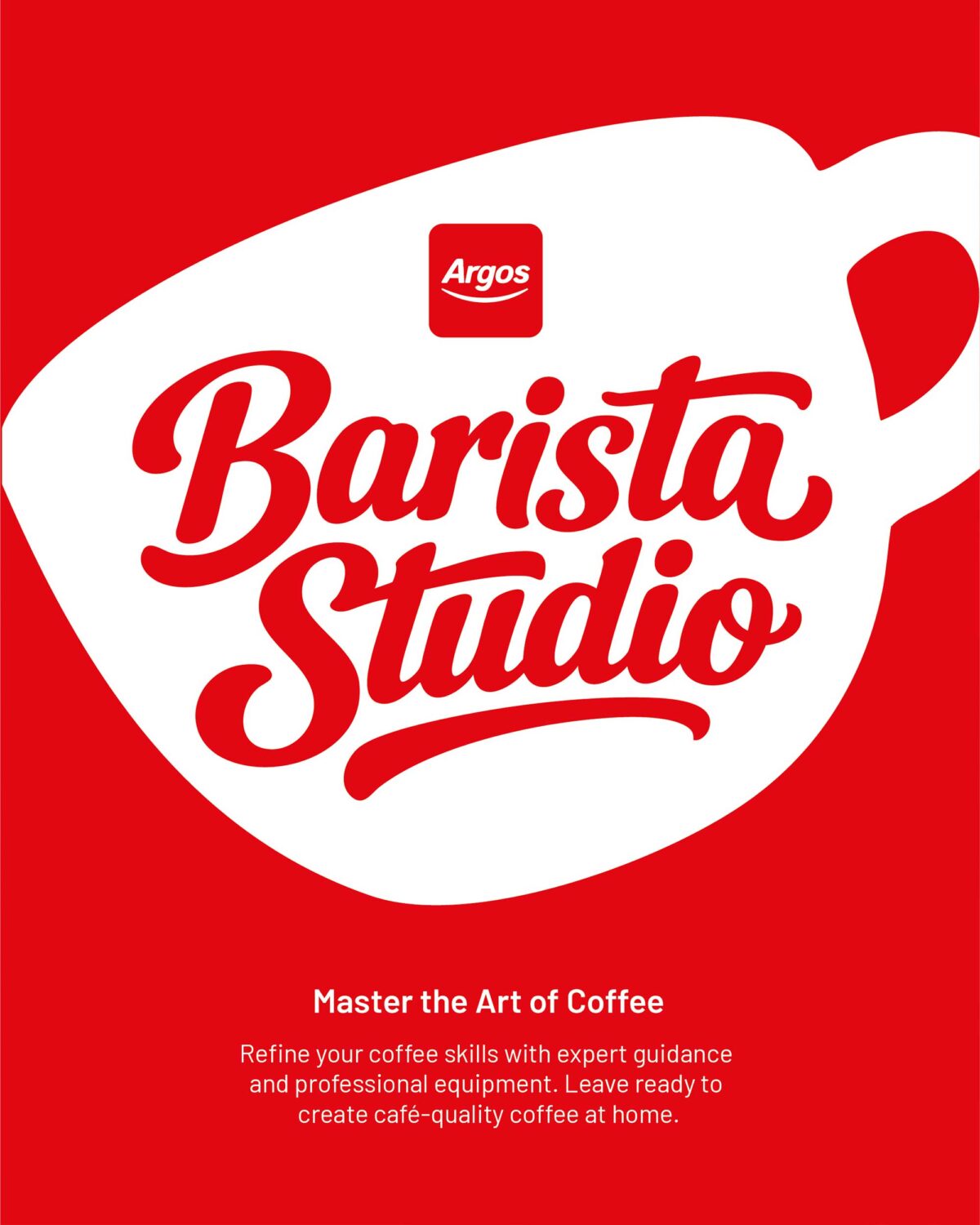
For Argos Barista Studio, our job was to build a complete visual world around the masterclass concept.
The identity flowed through signage, aprons, recipe cards, illustrations and the studio environment, all centred on helping people master the art of café-quality coffee at home.
Rather than simply placing Argos inside a coffee setting, we turned the proposition into somewhere people could step inside.
Why this matters now
A temporary activation can still feel like a fully formed brand world. The more connected every detail feels, the more distinctive the experience becomes.
CREATE BEHAVIOUR, NOT JUST MESSAGING
That’s one of experiential’s biggest advantages. It turns an audience into participants.
And participation doesn’t need to be complicated. Ring something. Make something. Taste something. Try something.
A single intuitive behaviour can give an experience its beginning, middle and end.
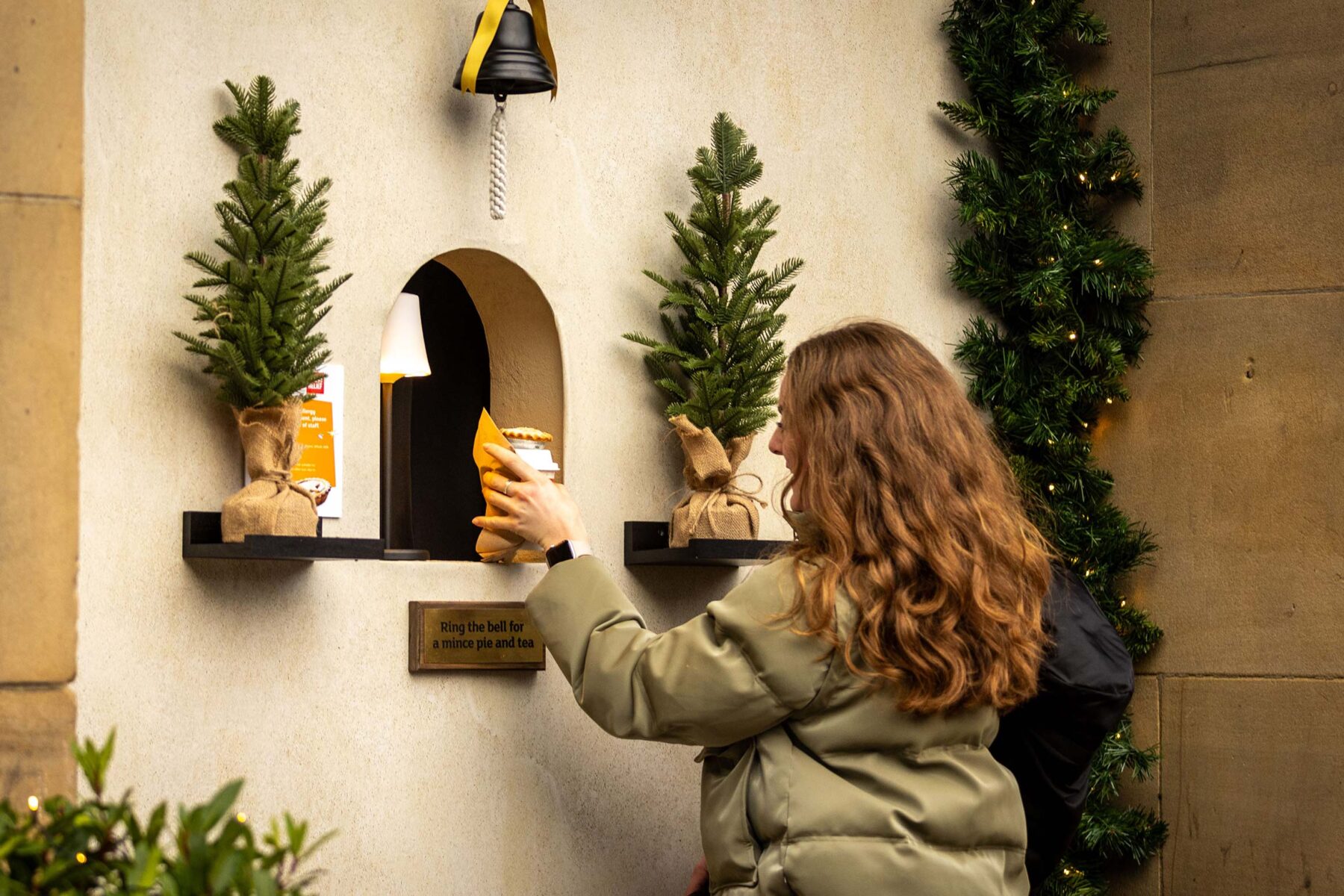
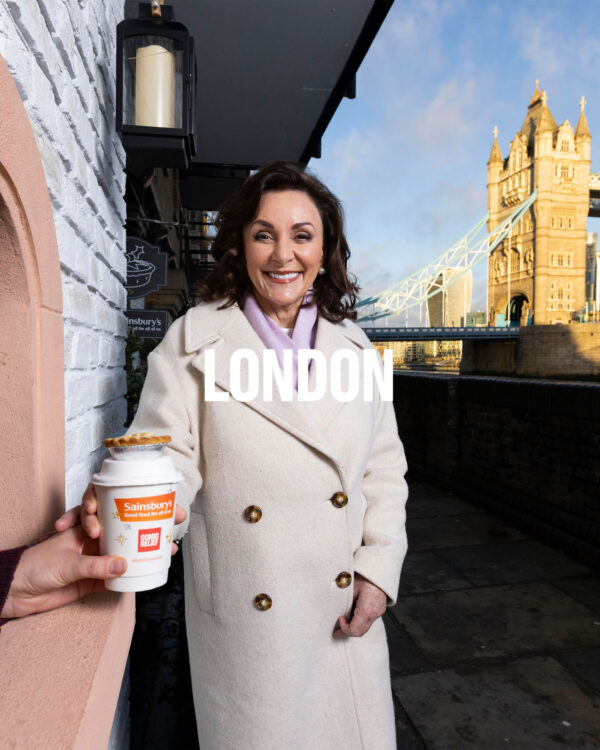
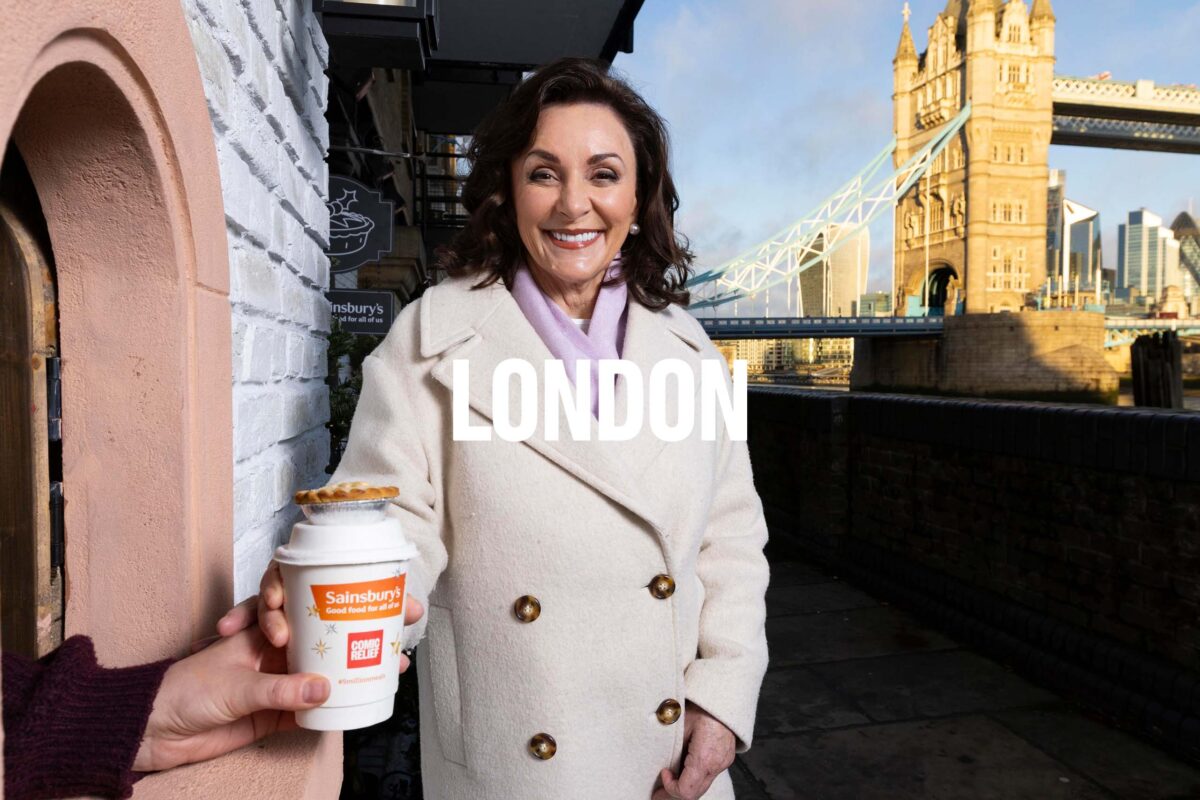
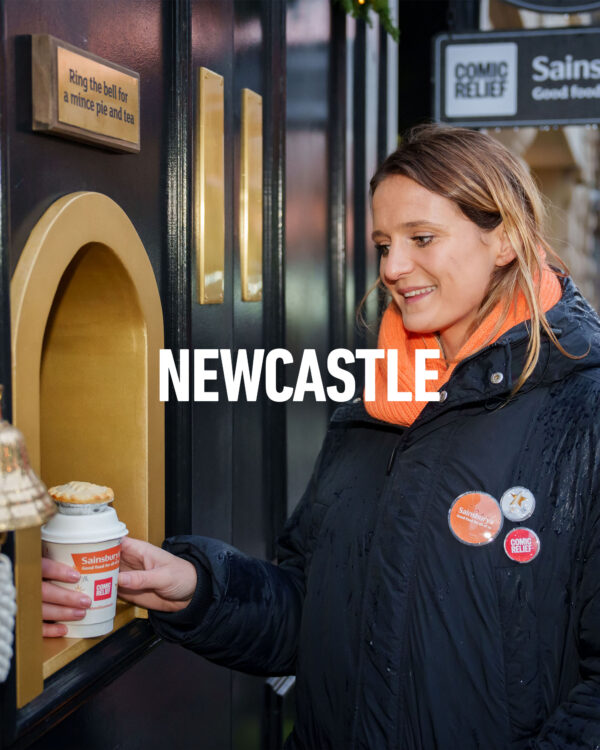
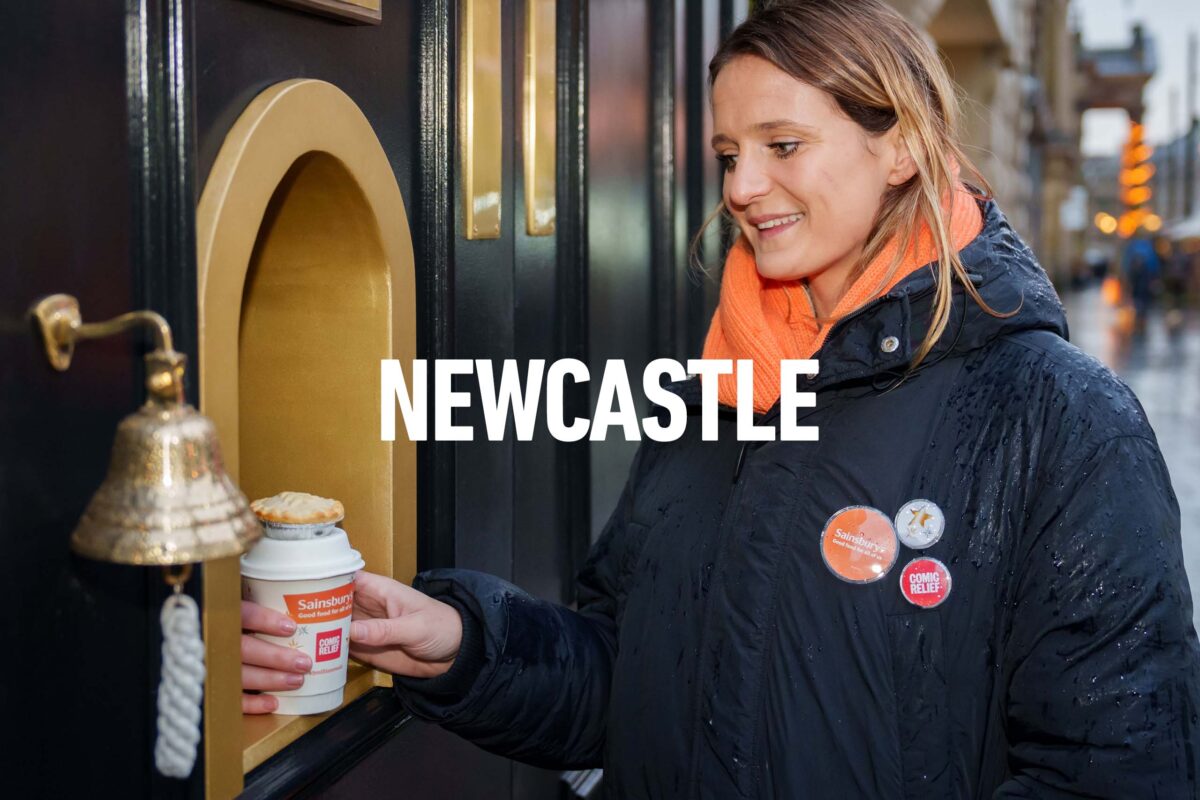
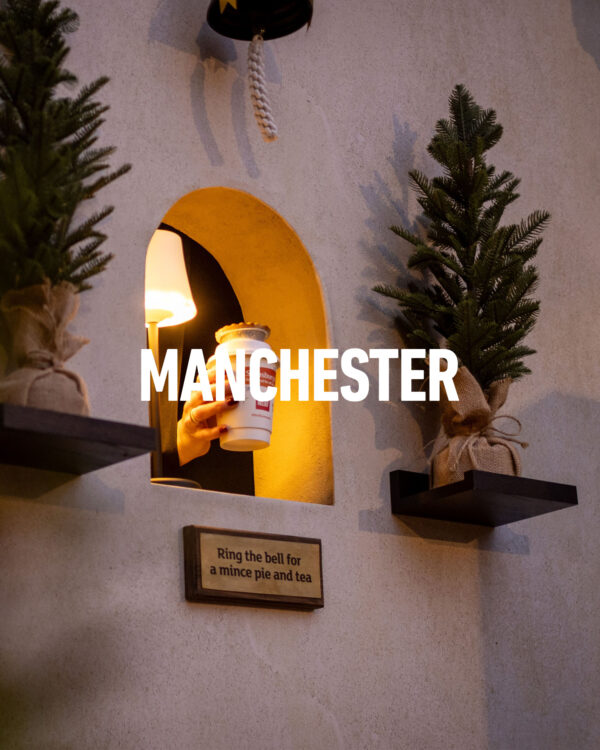
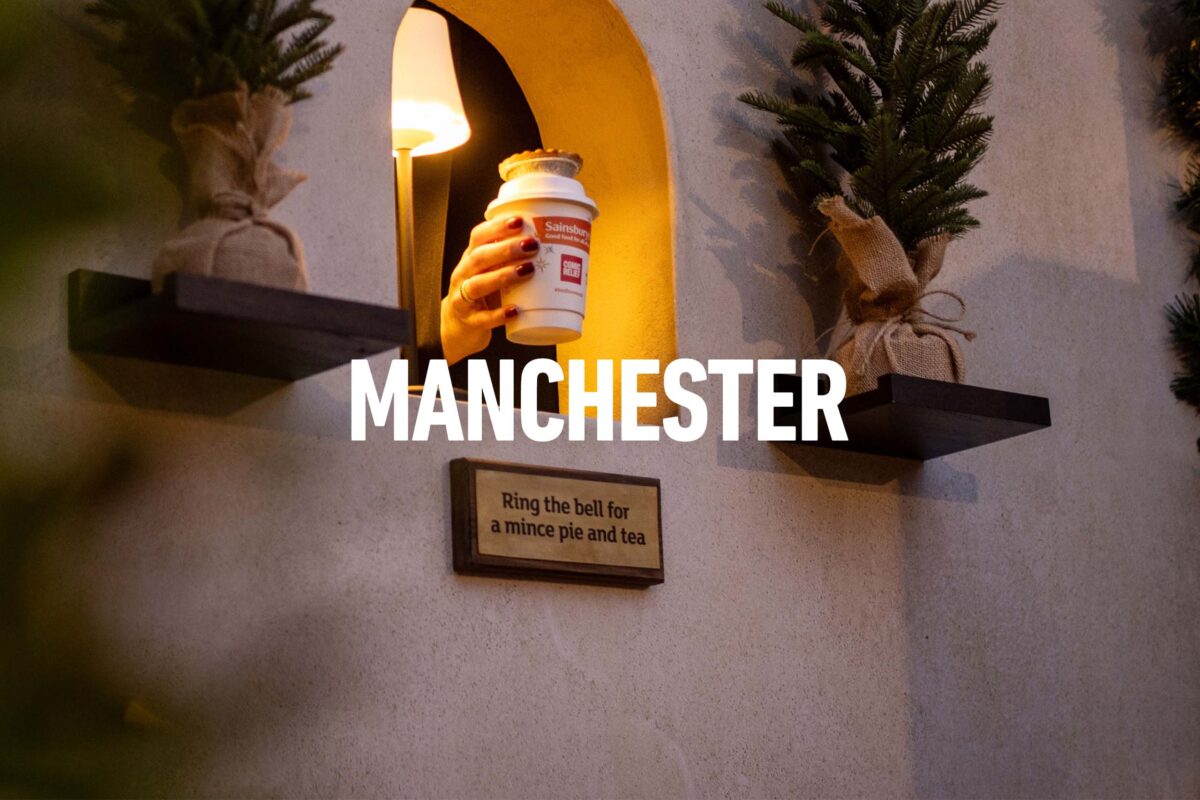
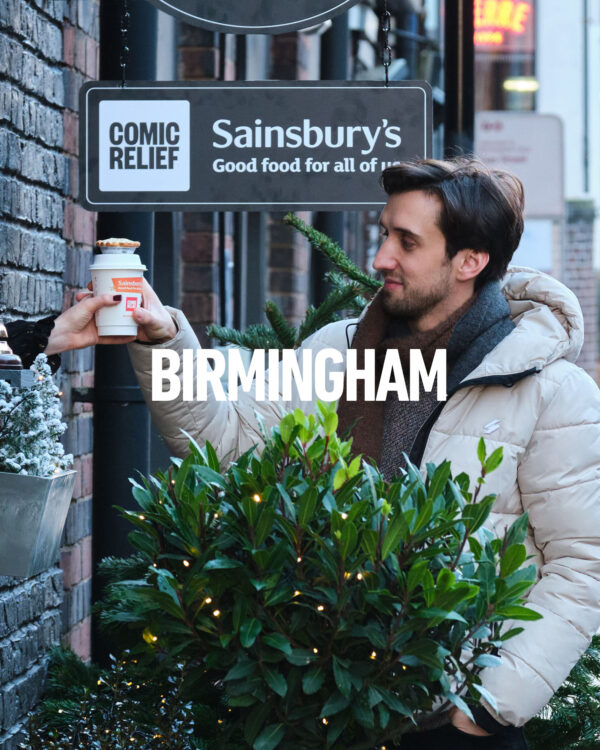
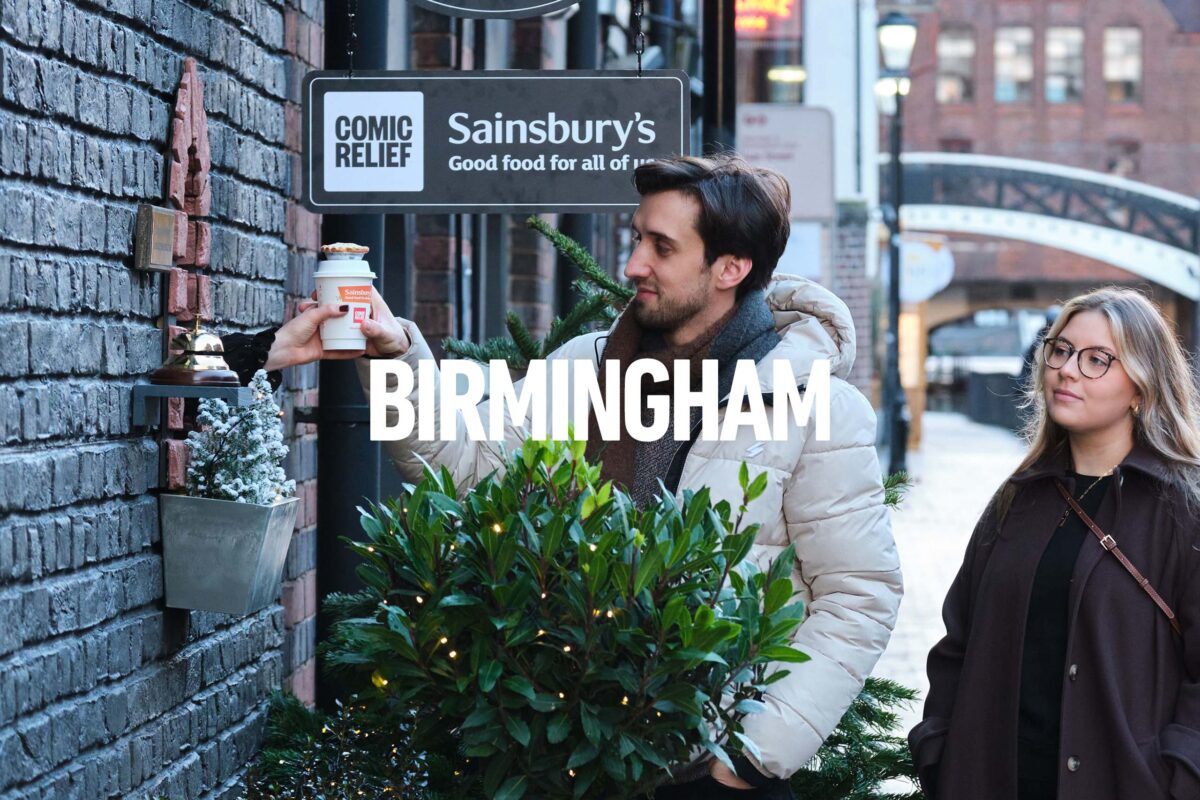
For Sainsbury’s x Comic Relief’s Magical Mince Pie Windows, the mechanic was wonderfully simple; ring the bell. A hand appears through a tiny festive window. Receive a mince pie and a mulled tea. Enjoy the moment, with the opportunity to donate.
We designed, produced and delivered the activation across four UK cities, creating bespoke false façades that transformed everyday shopfronts and offices into little festive worlds. People didn’t just witness the idea.
Their action made the magic happen.
DESIGN FOR THE ROOM. DESIGN FOR THE RIPPLE.
Launchmetrics describes the first as the people who are actually there. The second is potentially much larger: everyone who encounters the moment afterwards through media, creators and social.
Both matter.
For the live audience, an experience needs depth. Atmosphere, detail, interaction and reasons to stay.
For the wider audience, it needs clarity. Can someone understand the idea from one image? Is the brand recognisable? Is there a story worth passing on?
The best experiential design works at both distances.
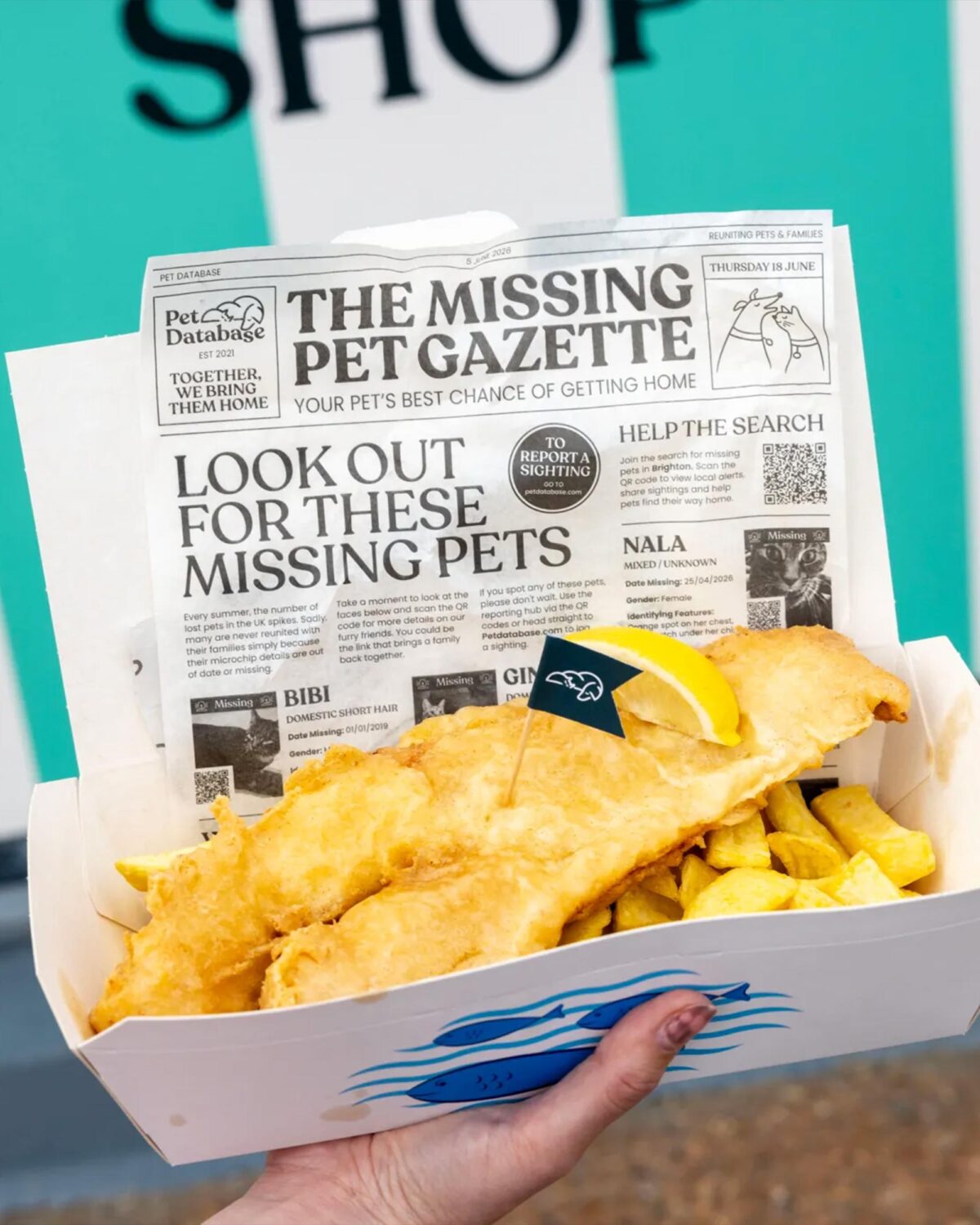
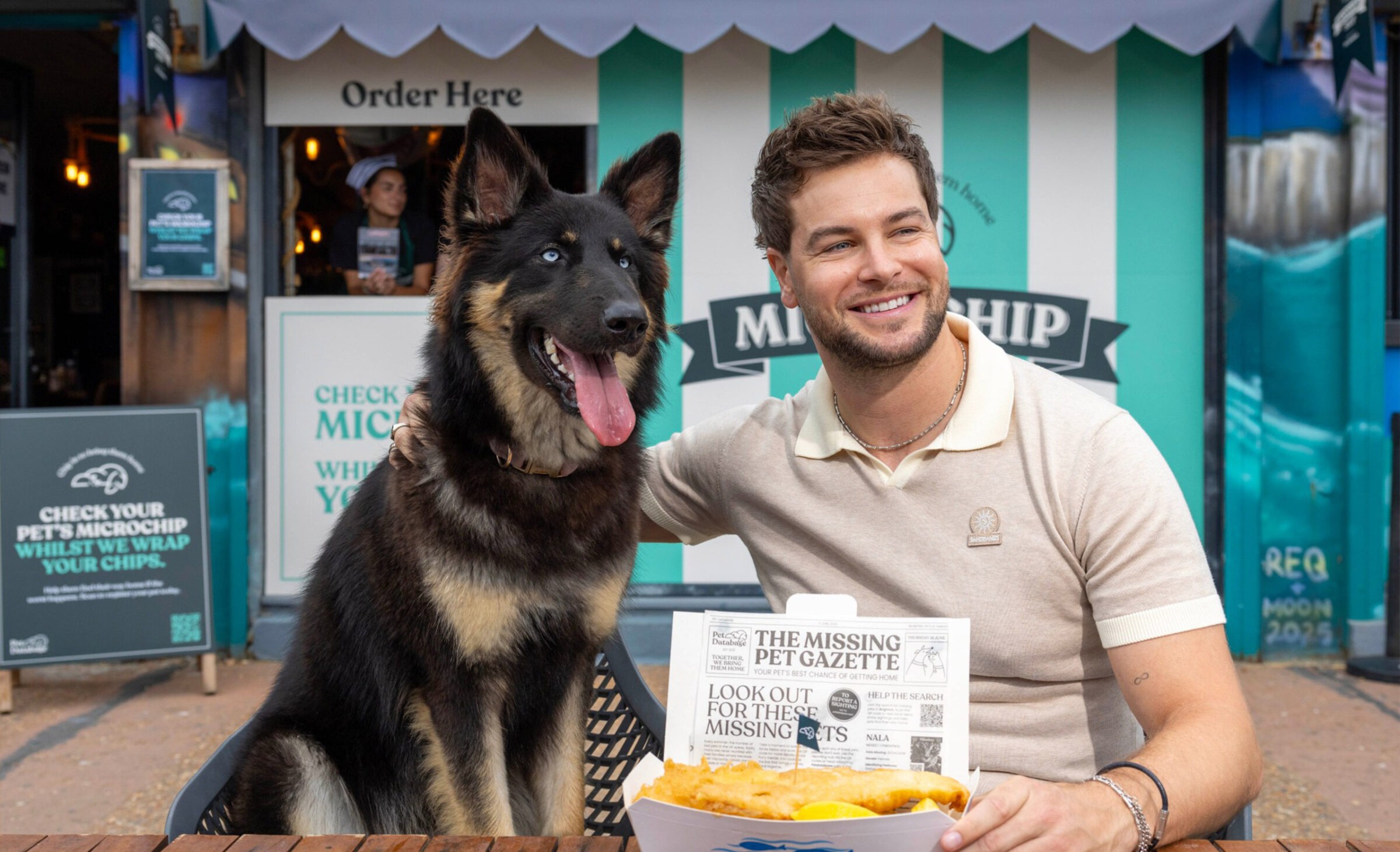
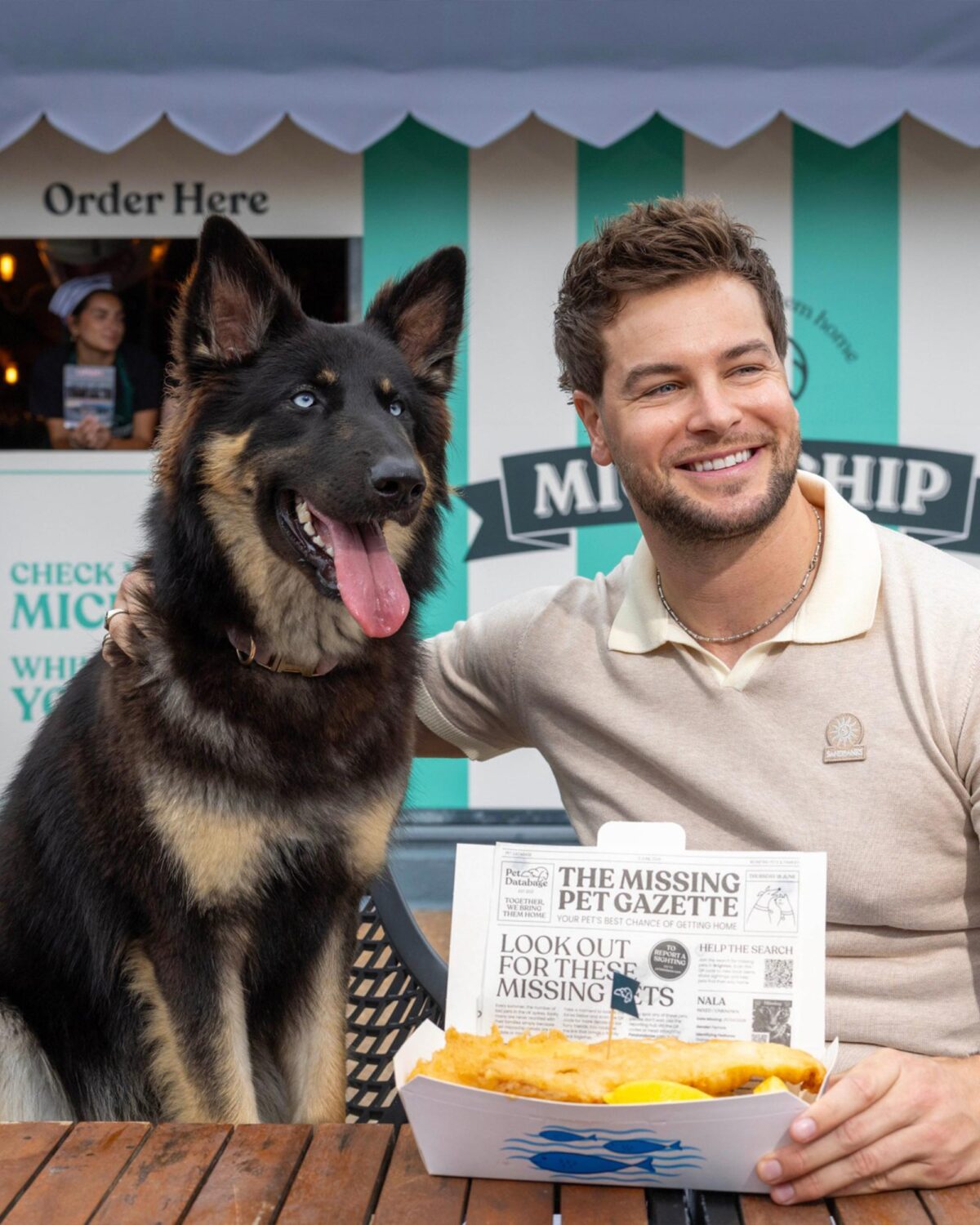
Take the Microchip Shop for Pet Database. In Brighton, an everyday chip shop became a playful public experience where pet owners could engage with an important message about keeping their microchip details up to date. In person, there were dogs, conversations, campaign touchpoints and, naturally, fish and chips. But from a distance, one visual joke did a lot of work: Microchip Shop. Chip shop. Dog.
Instantly legible in a photograph, the idea travelled beyond the shopfront through press and social. One experience. Two audiences.
Why this matters now
The experience may finish on site. The story shouldn’t. Design for the people in the room, and the audience the idea reaches afterwards.
BE THERE. MAKE IT MATTER.
At Mad River, we help adventurous brands be where it matters most. In culture, in people’s minds and lives, and in the moments that drive growth.
We turn campaign thinking into experiences people can step into, feel and remember. From concept to final detail, we create the world around the idea.
Be there. Make it matter.
Get in touch today.